A Military Fantasy Short Story
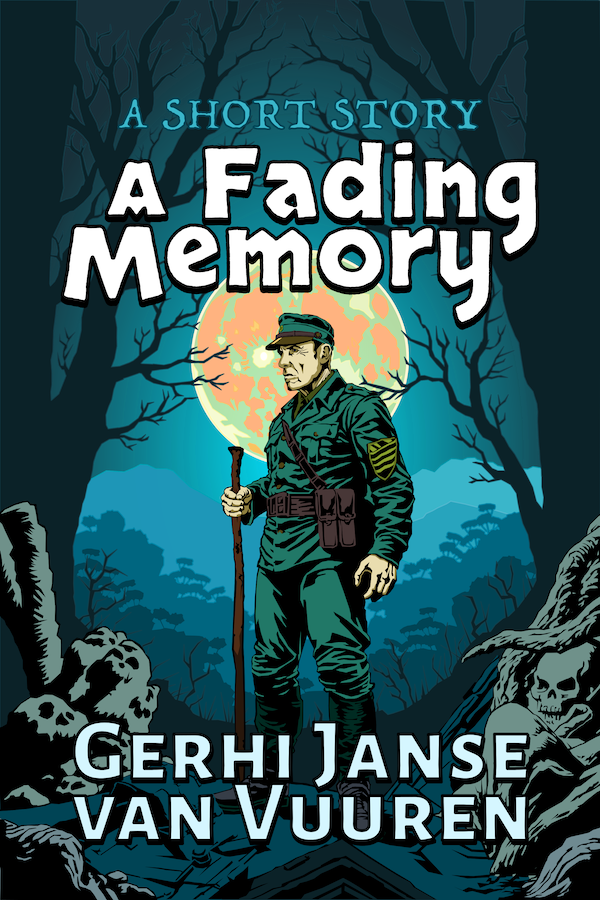
After seven years fighting on the front home will become a fading memory.
After more than seven brutal years on the frontlines, Sergeant Harlow Rushin is finally heading home. But the Witch War has left her scars—not just on his body, but on his soul. The man returning is not the same as the one who left.
Harlow’s journey takes a dark turn when he is confronted by a cursed, sentient blade at a corrupted shrine. Faced with the temptation to seek glory or restore peace, Harlow’s decision will shape more than just his own fate.
A Fading Memory is a poignant standalone story offering a glimpse into a world where magic and war collide, and where the greatest battles are often fought within.
Perfect for fans of dark, character-driven military fantasy with a spark of hope.
A Fading Memory Preview
Attrition
When the wretched Witch War started, they promised that everybody would come home in a procession of triumph. The enemy was weak, and their cause without honor. They would be beaten into submission in less than a fortnight.
Four years in, they promised it would only be a couple more months to subdue the enemy. Their tenacity was just pride that had to be stamped out of them. When it was over, everybody would be driven home and dropped right on their doorstep.
But by that time, those who remembered the first promise had also seen how many would never go home. How many had been buried in shallow graves.
At the end, after three and a half more years, there were no more promises. All the reserves were exhausted. There weren’t trucks left to drive anywhere. Released from oath and bond, the only way home from the front was by foot.
Those who could still walk were given a week’s worth of rations and told to make their own way back to where they came from.
Sergeant Harlow Rushin was one who could still walk, albeit with a pronounced limp. In the third year of the war, he had taken a deep wound to his thigh. The injury had healed poorly, leaving him in chronic pain.
Harlow could walk, even if with every step, he had to stubbornly push himself forward, using a sturdy walking stick he had cut from a sapling himself.
At the Roshek Front, on the day after the war, when they started the slow walk home, there were still enough soldiers to have the appearance of a company. The first couple of days, Harlow still felt there was some semblance of military structure. Though nobody carried a firearm anymore—those were taken when they signed their release papers from the Army. But they were all in uniform, and his Sergeant stripes were ingrained into his patterns of behavior.
At every crossroad and junction, the company shrank in size until they were less than a dozen. Two days before, at dawn, three soldiers went westward to Cascara. At midday, five turned northwest to the hill country. Harlow and only two others took the South Road.
The soldiers who left the Army at the final front were the lucky ones. But every one carried the effects of the war with them nonetheless.
The short Corporal had a jagged scar running down his face, and the gaunt Carbineer walked with a vacant look in his eyes. He suffered from Shadow Eye, a condition contracted after having been exposed to an undirected magical blast.
At the end of the day, the road split, and the last Corporal and Carbineer turned off to find their way to their village. They both walked arm-in-arm as if they were asleep. Neither looked back, never saying a word in farewell.
Now Harlow Rushin was alone on the road. He was closer to home than he had been in years, but he still had some days of walking to reach it—if the home he was returning to did still exist. In his mind, it was a memory so vague he could only picture scraps of it.
The war had surged back and forth across the country, leaving every vista with evidence of its passing. Harlow hobbled by an armored vehicle flung off the road, its underside already rusting where flames had stripped away the paint after the explosion that had capsized it.
Harlow stopped and looked at the vehicle carcass. He tried to remember if he was here when it happened. He could not remember, just as he could not tell which side had driven the vehicle and which side had blown it from the road.
The road made a slight curve following the contour of the hill. The wreck lay on the inside of the curve, nose pointing downhill. There might still have been bodies inside, burnt to skeletal husks. Or they may have been removed and buried, depending on whether the incident happened early or late in the war.
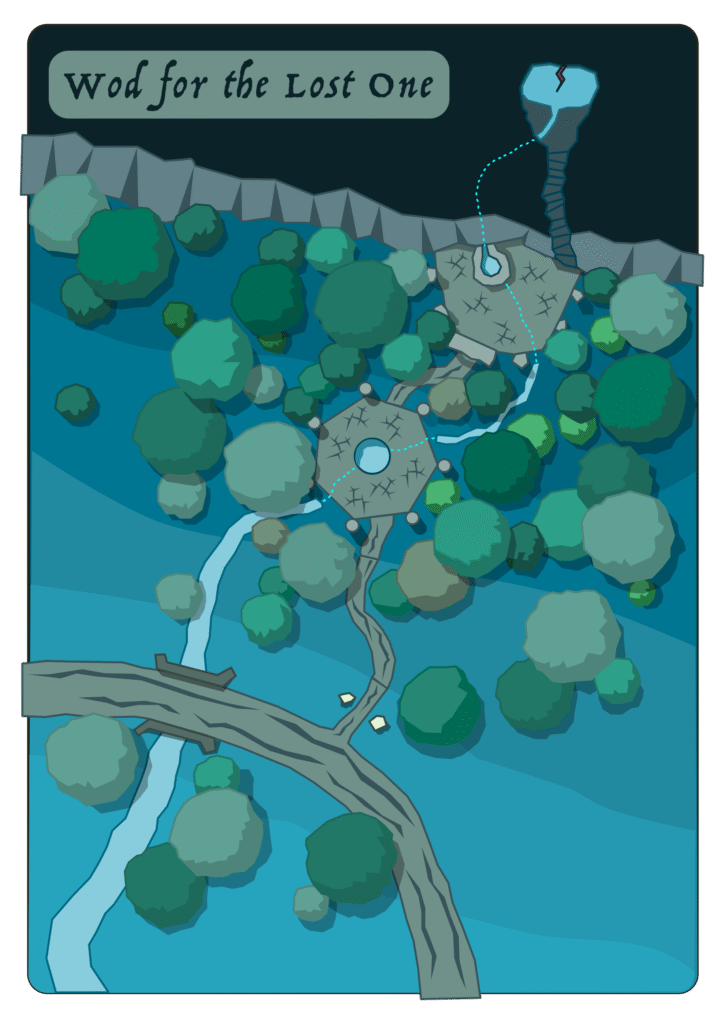
Harlow did not want to know. He turned his back and walked to the other side of the road to stare at nothing among the trees. Here, nearly hidden in the undergrowth, two large white stones marked the beginning of a path. Stones such as these were an indication of a shrine somewhere higher up in the forest.
Copyright © 2025 by Gerhi Janse van Vuuren
Recieve A Fading Memory as a free short story when you subscribe to my Novel Notes mailing list:
A Fading Memory Map